
Pain Management Doctor can help identify the cause of your pain and guide you toward the right treatment for lasting relief and better mobility.
Introduction
Pain can affect almost every part of daily life. It may make walking difficult, disturb your sleep, reduce your ability to work, and prevent you from enjoying time with your family. Sometimes pain improves with rest and simple treatment. However, when it continues for weeks, returns frequently, or spreads to other parts of the body, it is important to understand its underlying cause.
A Pain Management Doctor helps identify the possible source of pain and recommends a treatment plan based on the patient’s symptoms, medical history, examination, and diagnostic reports. The aim is not only to reduce discomfort but also to improve movement, daily activities, and quality of life.
At The Spine & Pain Hospital of India, Sector 43, Sushant Lok, Gurugram, Haryana, patients can consult specialists for different spine, nerve, back, neck, and joint pain conditions. The hospital focuses on individualised care and offers several treatment options, including non-surgical and minimally invasive procedures where appropriate.
What Does a Pain Management Doctor Do?
A pain specialist is a medical professional trained to evaluate and treat different types of pain. Unlike temporary pain relief through medicines alone, specialist care focuses on understanding why the pain is happening and selecting suitable treatment options.
Pain can develop because of muscle strain, joint problems, disc-related conditions, nerve compression, injuries, or other medical issues. Sometimes, more than one factor contributes to the symptoms{1}.
During a consultation, the doctor may
- Ask about the location, duration, and severity of pain.
- Understand your medical history and previous treatments.
- Examine your movement, strength, sensation, and physical function.
- Review MRI, X-ray, or other investigations when necessary.
- Recommend medicines, physiotherapy, lifestyle changes, or targeted procedures.
- Monitor progress and modify the treatment plan when required.
The right approach depends on the individual patient. Two people with similar symptoms may need different treatments because the underlying causes and medical conditions can differ.
Common Conditions Treated by Pain Specialists
Pain can affect the spine, nerves, muscles, and joints. Identifying the type of problem is an important step towards effective care.
1. Lower Back Pain
Lower back pain is common among people who sit for long hours, lift heavy objects, perform repetitive physical activities, or maintain poor posture. It can also occur because of muscle strain, disc problems, arthritis, or age-related changes in the spine.
Some people experience mild discomfort after physical activity, while others have persistent pain that interferes with walking, sleeping, or working.
If back pain continues despite initial care, keeps returning, or starts affecting your daily routine, consult a qualified specialist. Early assessment can help identify the cause and prevent unnecessary delays in treatment.
2. Slip Disc and Disc Bulge
The spinal discs act as cushions between the bones of the spine. A disc may bulge or develop a herniation, sometimes irritating or compressing nearby nerves.
Common symptoms include back pain, neck pain, tingling, numbness, or pain travelling into the arm or leg. However, a disc bulge seen on an MRI does not always mean that it is responsible for the symptoms.
A Pain Management Doctor evaluates the patient’s symptoms alongside the clinical examination and imaging findings before recommending treatment.
Depending on the condition, treatment may include medication, activity modification, physiotherapy, selected injections, or a minimally invasive procedure. Surgery may be considered in appropriate cases when symptoms and examination findings support it{2}.
3. Sciatica and Nerve Pain
Sciatica usually refers to pain travelling along the path of the sciatic nerve, often from the lower back through the buttock and into the leg.
Patients may experience burning pain, electric-shock-like sensations, tingling, numbness, or weakness. Symptoms can become more noticeable while sitting, coughing, bending, or walking.
Sciatica can occur because of nerve irritation or compression, including from a herniated disc or narrowing around the spinal nerves.
Treatment depends on the cause and severity. Many patients improve with appropriate conservative treatment, while some may need targeted interventions or surgical evaluation.
New or rapidly worsening leg weakness, loss of bladder or bowel control, or numbness around the groin requires urgent medical assessment.
4. Neck Pain and Cervical Problems
Long working hours, prolonged mobile phone use, muscle strain, and age-related changes may contribute to neck pain.
Some patients also experience shoulder discomfort, headaches, or pain spreading into the arm. When nerves are involved, tingling, numbness, or weakness may develop.
A specialist can assess whether symptoms are related to muscles, joints, cervical discs, or nerve compression. Treatment may involve posture correction, suitable exercises, medicines, or selected procedures according to the diagnosis.
Persistent neck pain should not be ignored, particularly when it is accompanied by arm weakness, difficulty with balance, or reduced hand coordination.
5. Knee, Shoulder, and Joint Pain
Joint pain can make everyday tasks such as climbing stairs, standing, reaching overhead, or walking difficult. Common causes include osteoarthritis, inflammation, tendon problems, previous injuries, and repetitive strain.
Treatment varies according to the affected joint and the severity of the condition. Options may include physiotherapy, exercise modification, medicines, and selected injection-based treatments.
Some patients may be suitable for procedures such as platelet-rich plasma (PRP) therapy, depending on the diagnosis and available evidence. PRP is not appropriate for every condition, and its benefits can vary.
The first step is to establish the actual cause of joint pain instead of relying on repeated painkillers without medical guidance.
What Treatment Options Are Available?
A treatment plan should address the patient’s specific condition, symptoms, and goals. Not every patient needs an injection or procedure, and not every spine problem requires surgery.
At The Spine & Pain Hospital of India, treatment options include non-surgical pain management and selected minimally invasive procedures{3}.
1. Medicines and Physiotherapy
For many pain conditions, initial treatment may involve appropriate medicines, physiotherapy, gentle movement, and changes to daily activities.
Physiotherapy can help improve strength, flexibility, posture, and movement. The type and intensity of exercise should match the patient’s condition.
Medicines may help control pain or inflammation, but they should be taken according to medical advice. Long-term use of certain painkillers can cause side effects, so patients should discuss their medication history with the treating doctor.
2. Radiofrequency Ablation (RFA)
Radiofrequency ablation is a procedure that uses controlled heat to affect selected nerves carrying pain signals. It may be considered for certain chronic pain conditions when the source of pain has been carefully evaluated.
For example, some patients with facet joint-related spinal pain may benefit from radiofrequency treatment after appropriate assessment.
RFA does not treat every cause of back or neck pain. The expected benefits, possible risks, and suitability of the procedure should be discussed with the specialist.
3. PRP Therapy
Platelet-rich plasma therapy uses a concentrated preparation of platelets obtained from the patient’s own blood. Platelets contain substances involved in the body’s healing processes.
Depending on the condition, PRP may be considered for selected musculoskeletal or joint problems. However, evidence differs across conditions, and results are not guaranteed.
A specialist can explain whether PRP is a reasonable option for your diagnosis or whether another treatment would be more appropriate.
4. Ozone-Based Treatments
Ozone-based injections are offered for selected conditions in some interventional pain practices. Their suitability depends on the diagnosis, the proposed procedure, and the available clinical evidence.
Patients should ask about the expected benefits, alternatives, risks, and limitations before choosing this treatment. It should not be assumed to be suitable for every disc problem or a guaranteed alternative to surgery.
5. Minimally Invasive Spine Endoscopy
Spine endoscopy is a minimally invasive technique used to treat selected spinal conditions. It involves a small incision and a camera with specialised instruments to access the affected area.
Depending on the diagnosis, an endoscopic procedure may help treat certain disc herniations or relieve pressure on an affected nerve.
Compared with traditional open procedures, selected endoscopic techniques may involve a smaller incision and less disruption to surrounding tissues. However, recovery time, risks, and outcomes depend on the patient’s condition and the procedure performed.
Endoscopy is not necessary for every patient with back pain or a disc bulge. A thorough clinical evaluation is essential before making a decision.
6. Other Interventional Pain Procedures
Depending on the diagnosis, a specialist may consider targeted nerve blocks, neuroplasty, or other image-guided interventions. These procedures are designed for specific pain conditions and are not interchangeable.
For patients with certain spinal compression fractures, procedures such as kyphoplasty or vertebroplasty may also be considered after appropriate evaluation.
The choice of treatment should always be based on the patient’s medical needs, not simply on the availability of a particular technology{4}.
When Should You Consult a Specialist?
Occasional muscular discomfort may improve with rest and appropriate self-care. However, certain symptoms require professional assessment.
Consider consulting a specialist if
- Back or neck pain continues or repeatedly returns.
- Pain travels from the back into the leg or from the neck into the arm.
- Numbness or tingling affects your daily activities.
- Joint pain limits walking, climbing stairs, or normal movement.
- Pain disturbs your sleep or makes working difficult.
- Symptoms do not improve with the treatment already prescribed.
- You need repeated pain medication to manage everyday activities.
Seek urgent medical care if you develop new bladder or bowel control problems, numbness around the groin, rapidly worsening weakness, or severe pain following a significant injury. Fever with severe spinal pain or unexplained weight loss alongside persistent pain also warrants prompt medical evaluation.
Early assessment does not necessarily mean you will need a procedure. It helps clarify the problem and identify an appropriate treatment pathway.
Why Choose The Spine & Pain Hospital of India in Gurugram?
Choosing the right hospital involves more than looking for advanced technology. Patients should have access to a proper evaluation, clear explanations, appropriate treatment options, and follow-up care.
The Spine & Pain Hospital of India is located at C-2472, Sushant Lok-1, Sector 43, Gurugram, Haryana. The hospital provides care for spine-related conditions, nerve pain, back pain, neck pain, and selected joint problems.
The hospital’s approach includes
- Individualised assessment: Treatment recommendations are based on the patient’s symptoms, examination, and relevant investigations.
- Non-surgical options: Conservative care and suitable interventional treatments may help some patients avoid or postpone surgery when medically appropriate.
- Minimally invasive procedures: Selected patients may be considered for procedures such as spine endoscopy.
- Multiple treatment approaches: Options may include RFA, PRP, ozone-based treatments, and other interventions when indicated.
- Patient education: Understanding the diagnosis, alternatives, expected recovery, and potential risks helps patients make informed decisions.
A non-surgical approach is not suitable for every condition. The priority should always be the treatment that is medically appropriate for the individual patient{5}.
Meet Our Doctors
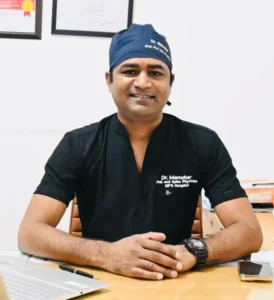
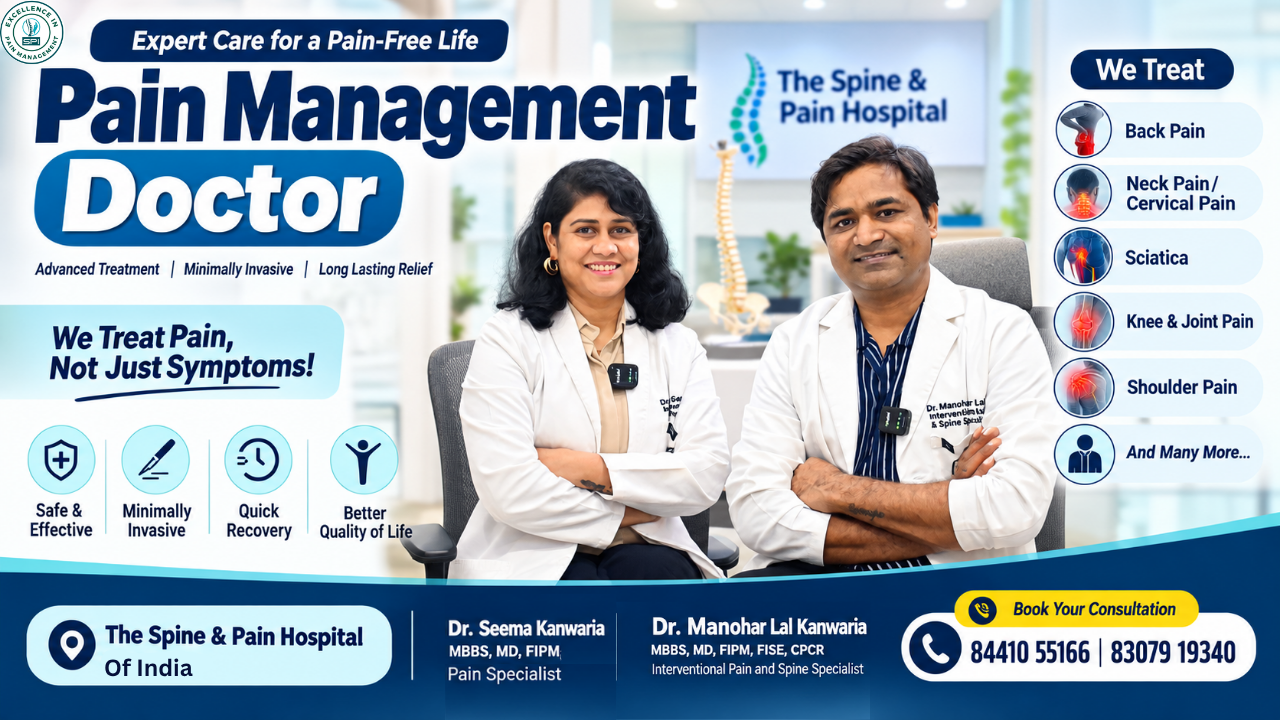
Dr. Manohar Lal Kanwaria – Spine and Pain Specialist
Dr. Manohar Lal Kanwaria is associated with The Spine & Pain Hospital of India in Gurugram. His clinical focus includes spine conditions, back pain, disc-related problems, sciatica, and the assessment of patients who may benefit from endoscopic or other interventional treatments.
Patients can consult him to discuss their symptoms, understand their diagnostic reports, and explore suitable treatment options based on their condition.
Dr. Seema Kanwaria – Pain Specialist
Dr. Seema Kanwaria is also part of the hospital’s specialist team. Her clinical focus includes pain management and spine-related conditions, with an emphasis on evaluating patients and considering appropriate non-surgical and interventional approaches.
Both doctors aim to help patients understand their condition and make informed decisions about their care. The recommended treatment will depend on the individual’s diagnosis, medical history, and clinical findings.
To learn more about the doctors and available services, visit the official hospital website.
Simple Ways to Support Pain Management at Home
Medical treatment may be supported by practical changes to your daily routine. These measures can help some patients manage discomfort and maintain physical function.
Maintain a comfortable posture: Adjust your chair, screen, and desk to avoid prolonged awkward positions. Change your posture regularly instead of sitting continuously for long periods.
Keep moving within your limits: Gentle walking and suitable exercises may help maintain mobility. Avoid activities that significantly worsen your symptoms until you have received appropriate advice.
Lift objects carefully: Keep loads close to your body and avoid sudden twisting while lifting. Ask for assistance with heavy objects when necessary.
Follow your treatment plan: Take prescribed medicines as directed and attend recommended follow-up appointments. Do not discontinue or change treatment without discussing it with your doctor.
Prioritise sleep and recovery: Adequate sleep, regular activity, and stress management may support your overall well-being. Stress can influence how pain is experienced, but persistent pain should not automatically be attributed to stress alone.
These measures are supportive and do not replace medical assessment when symptoms are persistent or concerning.
Conclusion
Living with persistent pain can affect your work, sleep, movement, and overall quality of life. Understanding the cause is the first step towards choosing the right treatment.
A Pain Management Doctor can help assess your symptoms, explain available options, and create a treatment plan suited to your needs. Depending on the condition, care may include conservative treatment, physiotherapy, targeted procedures, or minimally invasive spine techniques.
At The Spine & Pain Hospital of India, Gurugram, Dr. Manohar Lal Kanwaria and Dr. Seema Kanwaria provide specialist care for patients with a range of spine and pain-related concerns.
Do not ignore persistent pain or depend on repeated self-medication. Seek a proper medical evaluation to understand your condition and discuss the treatment options that may be right for you.
Contact The Spine & Pain Hospital of India
- Address: C-2472, Sushant Lok-1, Sector 43, Gurugram, Haryana
- Phone: 84410 55166 | 83079 19340
- Website: https://spinepainhospital.com/
Medical disclaimer: This article is for educational purposes only and does not replace a medical consultation. Treatment suitability, benefits, risks, and results vary from patient to patient.
Frequently Asked Questions About Pain Management Doctor
1. What does a Pain Management Doctor treat?
A Pain Management Doctor diagnoses and treats different types of pain, including back pain, neck pain, sciatica, nerve pain, and selected joint problems. A Pain Management Doctor evaluates the underlying cause of pain and recommends suitable treatment based on the patient’s condition. Treatment options may include medicines, physiotherapy, pain-relief injections, and specialised interventional procedures.
2. When should I see a Pain Management Doctor for back pain?
You should consult a Pain Management Doctor if your back pain persists, frequently returns, affects daily activities, or spreads to your legs. A Pain Management Doctor can assess whether the pain is related to a slipped disc, nerve compression, muscle strain, or another spinal condition. Seek urgent medical attention if you develop new weakness, loss of bladder or bowel control, or numbness around the groin area.
3. Can a Pain Management Doctor treat pain without surgery?
Yes, a Pain Management Doctor can help manage many pain conditions without surgery, depending on the diagnosis and severity. Treatment may include medicines, physiotherapy, lifestyle changes, targeted injections, and specialised pain management procedures. A Pain Management Doctor selects the appropriate approach after evaluating the patient’s symptoms and medical history. However, some conditions may require a surgical evaluation, particularly when serious nerve compression or progressive weakness is present.
4. Is spine endoscopy suitable for every slip disc patient?
No, spine endoscopy is not suitable for every slip disc patient. A Pain Management Doctor or spine specialist evaluates the patient’s symptoms, MRI findings, nerve compression, and response to previous treatments before recommending an appropriate option. Depending on the condition, a Pain Management Doctor may suggest conservative treatment, interventional pain procedures, or referral for spine endoscopy. The final treatment decision depends on the individual patient’s medical needs.
5. Where is The Spine & Pain Hospital of India located?
The Spine & Pain Hospital of India is located at C-2472, Sushant Lok-1, Sector 43, Gurugram, Haryana. Patients looking for a Pain Management Doctor in Gurugram can contact the hospital to enquire about consultations for back pain, neck pain, sciatica, nerve pain, and selected joint conditions. The medical team can guide patients regarding available consultations and suitable treatment options.
6. How can I book an appointment with a Pain Management Doctor?
To book an appointment with a Pain Management Doctor at The Spine & Pain Hospital of India, call 84410 55166 or 83079 19340. Patients can enquire about consultations with Dr. Manohar Lal Kanwaria, spine and pain specialist, or Dr. Seema Kanwaria, pain specialist. A Pain Management Doctor will assess the patient’s symptoms and medical history to help determine the next steps for appropriate care.