
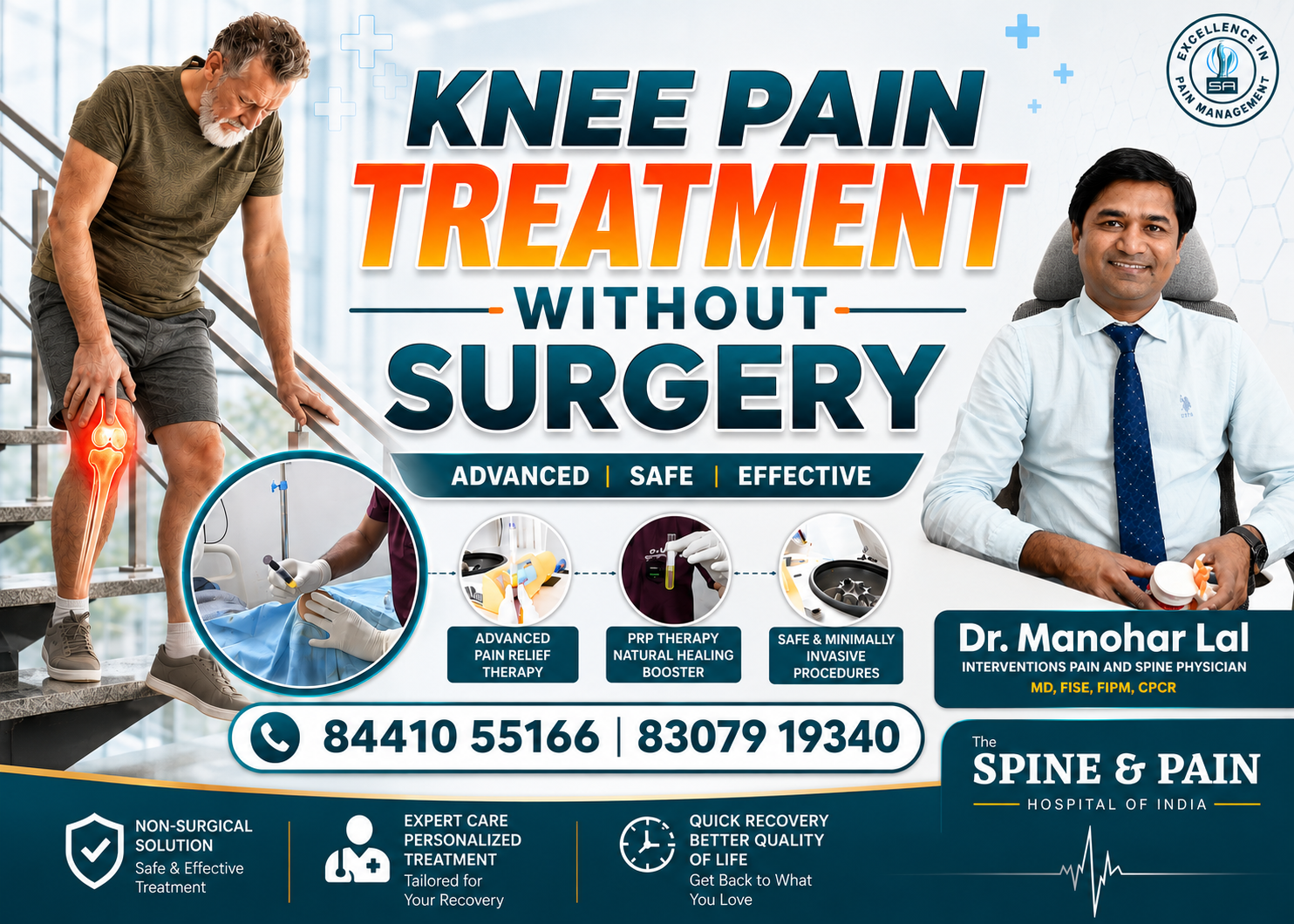
Knee Pain Treatment Without Surgery can help reduce pain naturally. Discover 7 proven treatments for lasting relief and improved mobility.
Introduction
Knee pain is one of the most common complaints affecting millions of people worldwide — from young athletes to older adults dealing with wear and tear. The good news? Knee pain treatment without surgery is not only possible but often highly effective. Many people assume that persistent knee pain automatically means going under the knife, but medical research and clinical experience tell a very different story.
Whether your knee pain stems from arthritis, a sports injury, overuse, or everyday strain, there are proven, non-surgical approaches that can significantly reduce discomfort, restore function, and get you back to doing what you love. Before considering any invasive procedure, exploring these methods is not just reasonable — it is highly recommended by orthopedic specialists around the world.
In this comprehensive guide, we will walk you through 7 evidence-backed methods for knee pain treatment without surgery that deliver real, lasting results{1}.
Why Consider Knee Pain Treatment Without Surgery?
Surgery carries inherent risks: infection, blood clots, lengthy recovery periods, and the possibility that the procedure may not fully resolve the problem. For many patients, non-surgical approaches deliver comparable — or even superior — outcomes without these downsides.
The key is addressing the root cause of your knee pain, not just masking symptoms. A thoughtful, multi-pronged approach to knee pain treatment without surgery can rebuild strength, reduce inflammation, improve joint mechanics, and restore your quality of life.
Let’s explore the seven most effective methods.
1. Physical Therapy and Targeted Exercise
Physical therapy is widely considered the cornerstone of knee pain treatment without surgery. A licensed physical therapist will assess your movement patterns, muscle imbalances, and joint mechanics to design a personalized rehabilitation program.
Targeted exercises focus on strengthening the muscles surrounding the knee — particularly the quadriceps, hamstrings, glutes, and calves. When these muscles are strong and well-coordinated, they act as natural shock absorbers, reducing the load placed directly on the knee joint.
Key exercises commonly recommended include
- Straight leg raises to build quad strength without joint stress
- Wall sits to improve quadriceps endurance
- Clamshells and hip bridges to activate the glutes and hip stabilizers
- Step-ups to train functional movement patterns
Consistency is critical. Most patients begin noticing meaningful improvement within four to eight weeks of dedicated physical therapy. This method addresses the structural causes of pain, making it one of the most durable solutions for knee pain treatment without surgery.
2. Weight Management
Carrying extra body weight places enormous mechanical stress on the knee joints. Research shows that every pound of excess weight translates to approximately four pounds of added pressure on the knees during everyday activities like walking or climbing stairs. For individuals with arthritis or cartilage damage, this magnified load accelerates joint deterioration and intensifies pain.
Losing even a modest amount of weight — five to ten percent of total body weight — can result in a dramatic reduction in knee pain. This makes weight management one of the most impactful yet underappreciated strategies for knee pain treatment without surgery.
A balanced diet rich in anti-inflammatory foods such as leafy greens, fatty fish, berries, and olive oil can further support this goal while simultaneously helping to calm internal inflammation in the joint{2}.
3. Bracing and Orthotics
Mechanical support plays a significant role in effective knee pain treatment without surgery. Knee braces help stabilize the joint, redistribute weight away from damaged areas, and provide proprioceptive feedback that improves movement quality.
There are several types of braces suited to different conditions
- Unloader braces shift load away from the most affected compartment of the knee, particularly useful in cases of medial or lateral osteoarthritis.
- Patellar stabilizing braces help keep the kneecap properly tracked, easing pain from patellofemoral syndrome.
- Compression sleeves reduce swelling and provide gentle support during activity.
Similarly, custom or over-the-counter orthotic insoles can correct foot alignment issues that subtly alter the mechanics of the knee. A gait assessment by a specialist can determine whether orthotics would be beneficial in your specific situation.
4. Anti-Inflammatory Medications and Topical Treatments
For many individuals, over-the-counter medications are an effective short-term component of knee pain treatment without surgery. Nonsteroidal anti-inflammatory drugs (NSAIDs) such as ibuprofen or naproxen reduce both pain and inflammation, allowing patients to engage more comfortably in physical therapy and daily activities.
Topical treatments — including diclofenac gel and capsaicin creams — deliver anti-inflammatory or pain-relieving compounds directly to the affected area with fewer systemic side effects compared to oral medications.
It is important to use these medications responsibly and under medical guidance. They are most effective when used as part of a broader treatment plan rather than as a standalone solution for long-term knee pain treatment without surgery{3}.
5. Corticosteroid and Hyaluronic Acid Injections
When conservative measures provide insufficient relief, injectable treatments offer a powerful option for knee pain treatment without surgery. Two of the most commonly used injections include corticosteroids and hyaluronic acid.
Corticosteroid injections deliver a powerful anti-inflammatory agent directly into the knee joint. They can provide rapid, meaningful pain relief — often within days — and are particularly effective for flare-ups of osteoarthritis or inflammatory conditions. Relief typically lasts between six weeks and several months.
Hyaluronic acid injections (also called viscosupplementation) work by supplementing the natural lubricating fluid in the knee. This can reduce friction, cushion the joint, and improve mobility. While not effective for everyone, many patients with mild to moderate osteoarthritis report significant improvement following a course of these injections.
Both options should be discussed thoroughly with an orthopedic specialist who can assess your candidacy and set appropriate expectations.
6. Platelet-Rich Plasma (PRP) Therapy
Platelet-rich plasma therapy is an emerging and increasingly popular approach to knee pain treatment without surgery. It involves drawing a small amount of the patient’s own blood, processing it to concentrate the platelets and growth factors, and then injecting this enriched plasma directly into the knee joint.
The growth factors in PRP have been shown to stimulate tissue repair, reduce inflammation, and potentially slow the progression of cartilage damage. Clinical studies suggest that PRP injections can provide superior and longer-lasting relief compared to hyaluronic acid injections in certain patient populations, particularly those with early to moderate osteoarthritis.
PRP therapy is generally well-tolerated since it uses the body’s own biological material, reducing the risk of adverse reactions. While it may not be covered by all insurance plans, its effectiveness in many cases makes it a compelling option for those seeking knee pain treatment without surgery.
7. Lifestyle Modifications and Mind-Body Approaches
Sustainable relief from knee pain often requires thoughtful changes to everyday habits. As part of a comprehensive knee pain treatment without surgery plan, lifestyle modifications can make a profound difference in both pain levels and long-term joint health.
Activity modification involves identifying and adjusting movements or exercises that aggravate the knee while substituting lower-impact alternatives. Swimming, cycling, and water aerobics are excellent options that maintain fitness without excessive joint loading.
RICE protocol — Rest, Ice, Compression, and Elevation — remains a foundational tool for managing acute flare-ups. Applying ice for fifteen to twenty minutes several times a day can reduce swelling and provide immediate comfort.
Mind-body approaches such as mindfulness-based stress reduction, yoga, and tai chi have demonstrated meaningful benefits for chronic pain conditions including knee osteoarthritis. These practices reduce the psychological amplification of pain signals, improve joint flexibility, and cultivate body awareness that supports safer, more efficient movement{4}.
Building Your Personalized Treatment Plan
The most successful approach to knee pain treatment without surgery is rarely a single intervention — it is a thoughtful combination of methods tailored to your specific diagnosis, lifestyle, and goals.
Consider working with a multidisciplinary team that may include
- An orthopedic physician to assess the underlying cause and severity
- A physical therapist to guide your rehabilitation
- A registered dietitian if weight management is a factor
- A pain specialist if injections or regenerative therapies are appropriate
Regular reassessment is important. Your treatment plan should evolve as you progress, with the goal of gradually reducing dependence on passive interventions and empowering you to maintain your own joint health through movement and lifestyle.
When to See a Doctor
While these methods are highly effective for many people, it is essential to consult a healthcare professional if you experience
- Severe swelling or sudden joint locking
- Pain that worsens despite conservative treatment
- Signs of infection such as redness, warmth, and fever
- Significant instability or inability to bear weight
These symptoms may indicate a more serious condition requiring further evaluation. Timely medical assessment ensures you receive the right care and that no underlying issues are overlooked{5}.
Conclusion
Living with knee pain does not have to mean living with limitation — and it certainly does not have to mean surgery. Knee pain treatment without surgery has come a long way, with a rich toolkit of evidence-based methods capable of delivering lasting relief for a wide range of conditions.
From the foundational benefits of physical therapy and weight management to the innovative potential of PRP therapy, these seven approaches offer genuine hope. Start with the least invasive strategies, be consistent, and work closely with qualified healthcare providers to build a plan that works for your life.
Your knees have carried you far — with the right care, they can continue to carry you even further.
Always consult with a qualified medical professional before beginning any new treatment program. This article is intended for informational purposes only and does not constitute medical advice.